Source Identification
We trace where the water is coming from before pumping, whether that is a failed sump pump, a burst pipe, a clogged foundation drain, or storm water intrusion. Stopping the inflow first is what keeps the job from repeating.
Standing Water Removal in Alaska means getting the water out fast, then drying the structure so mold and rot never get a foothold. We pump basements, crawl spaces, garages, and commercial floors from College to Utqiagvik, using truck-mounted extraction and calibrated drying equipment. Whether it is a frozen pipe burst at 2 a.m. or snowmelt creeping into a crawl space, our crews are set up for Alaska conditions and ready to roll.
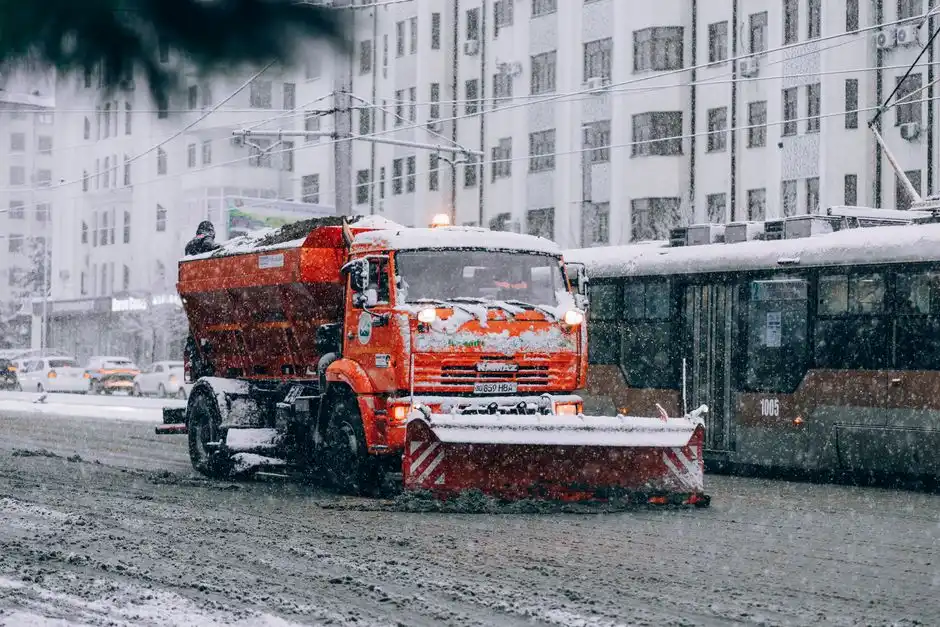
Standing Water Removal in Alaska is the process of pumping, extracting, and drying trapped water from a structure before it damages the building or the air inside it. It starts with locating the source, then pulling water with a submersible sump pump or truck-mounted extraction unit, and finishing with dehumidifiers and air movers that dry framing, subfloor, and insulation to a verified moisture level. We check every wall cavity with a moisture meter and thermal imaging camera before we call a job dry.
Alaska properties face water problems that lower-48 crews rarely see. Snowmelt basement flooding in April, a frozen pipe burst in January, and crawl space standing water under a 1970s split-level all demand different equipment and different timing. If you are searching for how to remove standing water in Alaska, the honest answer is that the first 24 to 48 hours decide whether you are looking at a dry-out or a rebuild. We handle both.
Every job is different, but here is what a standard standing water call includes. We tell you up front what the job needs, and if something falls outside the scope, you hear it before we start, not on the invoice.
We trace where the water is coming from before pumping, whether that is a failed sump pump, a burst pipe, a clogged foundation drain, or storm water intrusion. Stopping the inflow first is what keeps the job from repeating.
Deep water gets a submersible sump pump or portable water pump. The shallow layer gets a truck-mounted extraction unit and water extraction wand. Carpet and pad are separated and removed when they cannot be saved.
Dehumidifiers and air movers are placed based on cubic footage and material type, with dehumidifier filters checked and extraction hoses run to a safe discharge point. We set the drying plan and explain what to expect.
A technician returns each day to log moisture meter readings and adjust equipment. We check wall cavities, subfloor, and framing, and we do not pull gear until the readings hold at dry standard.
Affected surfaces get an antimicrobial solution after extraction, which matters most on sewage backups and water that sat more than a day. It addresses the bacteria and the odor source rather than masking it.
Photos, moisture logs, and a written scope of work are compiled for your records or your insurance claim. Our team includes an Alaska Division of Insurance licensed adjuster, so the format matches what carriers expect.
You call, we ask the questions that matter: where is the water, how deep, is it clean or sewage, and is power safe to leave on. Within minutes you get a dispatch window and a short list of things to do right now, like shutting the supply valve or moving valuables off the floor. No phone-tree runaround.
First tech on site finds the source. That might be a failed sump pump, a split PEX piping run, a burst copper pipe behind a wall, or a clogged foundation drain pushing water in through hydrostatic pressure seepage. We stop the inflow before we start pumping, otherwise you are bailing a sinking boat.
We set a submersible sump pump or portable water pump for deep standing water, then switch to a truck-mounted extraction unit and water extraction wand for the shallow layer. Carpet, pad, and area rugs get pulled and separated. A typical residential basement takes two to four hours to get to damp-only.
Dehumidifiers and air movers go in, sized to the cubic footage and the outdoor conditions. We set a drying plan, then return daily to log moisture meter readings and adjust equipment placement. Most Alaska jobs hit dry standard in three to five days, longer if the crawl space is vented and cold.
Before we haul equipment out, we walk the space with you and show the readings. Affected materials get an antimicrobial solution where needed, and we note anything that should be replaced rather than dried. You get a written summary and photos for your records or your claim.
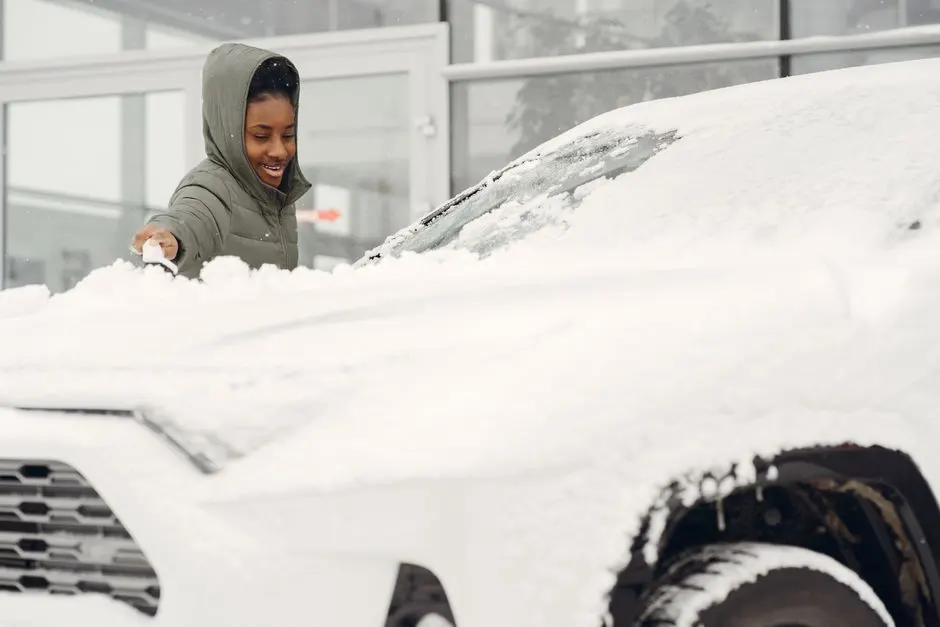
You call, we ask the questions that matter: where is the water, how deep, is it clean or sewage, and is power safe to leave on. Within minutes you get a dispatch window and a short list of things to do right now, like shutting the supply valve or moving valuables off the floor. No phone-tree runaround.
Pulls large volumes of water fast from carpet, pad, and hard surfaces. It reaches the shallow layer a pump leaves behind and cuts drying time significantly.
Used for deep standing water in basements, crawl spaces, and garages. Little Giant and Wayne pumps handle the volume before we switch to extraction.
Remove moisture from the air so wet materials can release water. Sized to the cubic footage of the space and monitored daily against moisture readings.
Move air across wet surfaces to speed evaporation. Placement matters more than quantity, so we position them against walls and under edges where water hides.
Find hidden saturation behind walls and under floors, and confirm when materials are actually dry. These two tools decide when the job is finished.
RIDGID, Milwaukee, and Shop-Vac units handle tight spaces and detail work, while the wand pulls water from carpet seams and edges the truck unit cannot reach.

A failed sump pump left three inches of water across a 900-square-foot finished basement. Carpet and pad were saturated, and the bottom 12 inches of drywall had wicked water up the wall.
After: We pumped and extracted 310 gallons, removed the pad, and dried the space in four days. Moisture readings at the base of the drywall came back to dry standard, so only the lower 12 inches of drywall needed replacement.
Book this service →
A home inspection found standing water in a 600-square-foot crawl space with no visible source. Joists read high on the moisture meter and insulation had collapsed in two sections.
After: We pumped it out, removed the failed insulation, and dried the joists and subfloor over five days. Final readings were within dry standard and the inspection objection cleared.
Book this service →
Spring melt pushed water under a garage door and across a 480-square-foot slab, soaking stored tools, cardboard, and the bottom of two walls.
After: We extracted the standing water in under two hours, dried the slab and wall bases in two days, and treated the affected area with antimicrobial solution. No mold, no rusted tools.
Book this service →Standing water is rarely the whole problem. Here are the situations we see most across Alaska and what happens if they sit.
Ask a pro →We pump and extract the standing water, dry the affected framing and slab, and check the grading and foundation drain so meltwater has somewhere else to go next year. Most basements are dry in three to five days.
We shut the line, extract the pooled water, and use a thermal imaging camera to map hidden saturation. Then we dry the cavity, replace what will not dry, and confirm readings before closing anything up.
We pump the crawl space out, dry the joists and subfloor, and recommend vapor barrier and drainage corrections. A dry crawl space protects the floor above it and the air you breathe.
We treat it as a contaminated job with containment and PPE, remove affected materials, extract the water, apply antimicrobial solution, and dry the structure. Our IICRC Odor Control Technician certification covers the residual smell.
“Our sump pump quit during a January thaw and we had four inches in the basement by morning. The crew showed up before noon, pumped it out, and had dehumidifiers running the same day. They came back three days straight to check readings and showed me the numbers each time. No mold, no drama.”
Marcus T.Homeowner, College
✓ Verified“We manage a small rental portfolio and had a burst copper pipe soak a unit's subfloor. AK Water Remover Pros extracted the water, pulled the wet pad, and dried the whole thing in four days. The photo documentation went straight to our adjuster with no back and forth. That alone saved us a week.”
Dana R.Property Manager, Sterling
✓ Verified“Snowmelt came in through the crawl space and I did not notice until the floor felt spongy. They pumped it out, dried the joists, and told me straight what needed replacing versus what would dry. Honest answer, fair price, and they explained the grading fix so it does not happen again next spring.”
Eli K.Homeowner, Delta Junction
✓ VerifiedMost residential standing water jobs in Alaska run $450 to $2,800 in 2026, with a typical wet basement landing near $1,200 to $1,800 including extraction and three to five days of drying equipment. Crawl spaces and sewage-contaminated water cost more because of access, PPE, and disposal. Small garage flooding with an inch of water can be under $500. We give you a number before we start, not after.
Licensed water damage restoration contractors remove standing water in Alaska, and AK Water Remover Pros has done it statewide since 2010. We handle pumping, extraction, structural drying, and odor treatment with IICRC-certified technicians. Plumbers stop the source; we get the water out and dry the building. If you need both, we coordinate the plumbing side so you are not stuck making three phone calls.
Yes. We pump standing water out of Alaska homes with submersible sump pumps and portable water pumps for deep water, then switch to truck-mounted extraction for the shallow layer that a pump cannot reach. A standard basement takes two to four hours to clear. We check the source first, because pumping while water is still coming in just wastes your money.
Yes. Standing water in an Alaska home can reach structural framing within 24 hours and support mold growth within 48 to 72 hours, and if it came from a sewage backup it carries bacteria that require PPE and antimicrobial treatment. Cold Alaska homes slow mold slightly but do not stop it, and wet insulation loses R-value fast. That is why we treat every stagnant water removal Alaska call as time-sensitive.
Our crews cover Alaska standing water extraction statewide, from the road system to fly-in communities. Response times vary by distance, and we tell you honestly what to expect when you call. Wherever you are on this list, the same equipment, the same certified technicians, and the same documented drying standard show up at your door.
Standing water removal in College covers older homes and rentals where crawl space flooding and failed sump pumps show up every spring breakup.
↗ 02 SterlingSterling properties on well and septic systems get fast pumping and drying, with backup power considerations built into the plan for outage-prone areas.
↗ 03 UtqiagvikStanding water extraction in Utqiagvik handles extreme-cold pipe failures and permafrost drainage issues with equipment sized for unheated spaces.
↗ 04 PetersburgPetersburg's wet coastal climate drives storm water intrusion and crawl space moisture, and we dry both with coastal humidity in mind.
↗ 05 DillinghamDillingham jobs get scheduled with travel factored in, covering snowmelt flooding and burst pipe water removal for homes and small commercial buildings.
↗ 06 Prudhoe BayPrudhoe Bay industrial and camp housing needs fast extraction when a pipe fails in extreme cold, before water reaches equipment and living quarters.
↗ 07 Delta JunctionDelta Junction sees wind-driven snow and deep frost, so spring meltwater against foundations makes foundation drain clogs a common call.
↗ 08 TogiakTogiak properties get remote-service standing water removal with pumping, extraction, and drying planned around travel and discharge options.
↗ 09 SalchaSalcha river-adjacent homes face high water and ice jam flooding, and we handle storm water intrusion in garages, basements, and outbuildings.
↗ 10 NoorvikNoorvik jobs are handled with remote logistics in mind, covering frozen pipe bursts and crawl space water in northern conditions.
↗Water sitting in your building gets worse every hour. Call AK Water Remover Pros and we will dispatch a crew, pump it out, and dry the structure to a verified standard. One call covers extraction, drying, and the paperwork your insurer wants.
Call for Service (833) 640-1438 →Our phone line is open 24/7, and a real person answers. Tell us what happened and where you are, and we will dispatch a crew with the right gear. Most road-system calls in Anchorage, the Mat-Su Valley, and Fairbanks get a same-day response. For bush communities, we schedule as fast as transport allows.