Emergency Water Shutoff
We close the main and isolate the failed branch line, then check nearby PEX piping and copper pipe for freeze damage so we are not back next week for the same problem on a different joint.
Burst Pipe Water Removal in Alaska means shutting off the water, pulling every gallon out of your floors and walls, and drying the structure before mold sets in. We run truck-mounted extraction units and thermal imaging cameras from Anchorage to the Bush, day or night. If a pipe let go at 2 a.m. or you came home to standing water, call (833) 640-1438 and we roll.
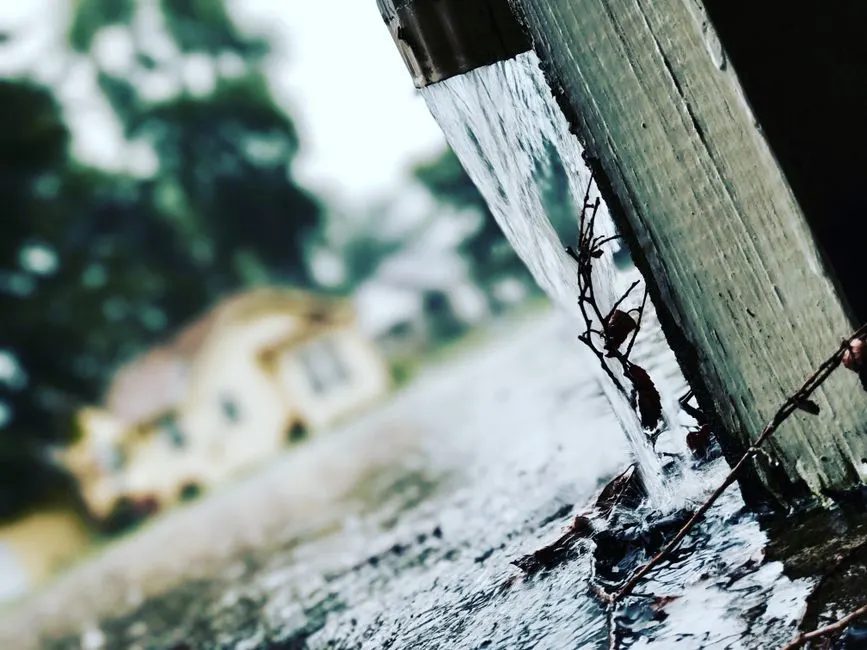
Burst Pipe Water Removal in Alaska is the emergency process of stopping an active pipe leak, extracting standing water from floors, crawl spaces, and wall cavities, and drying the structure to IICRC standards before secondary damage takes hold. A 1/2-inch PEX or copper line can dump 10 to 20 gallons per minute, which means a 30-minute head start matters more than anything else you do that day.
Alaska homes take pipe failures harder than most. PEX piping and copper pipe freeze during the long cold snaps, then split at the weakest joint; when temperatures swing back above freezing, water pours into crawl spaces and basements that were never built for it. We see frozen pipe burst calls in Knik-Fairview and Big Lake all winter, and snowmelt basement flooding in Kenai and Kodiak each spring. That is why our crews carry submersible sump pumps, truck-mounted extraction units, and enough dehumidifier capacity to dry a 1,200-square-foot crawl space in 48 to 72 hours.
Every burst pipe job starts with the same core scope: stop the water, extract it, dry the structure, and document everything for your carrier. What changes is the size of the affected area and whether the failed pipe needs a repair or a full section replacement. Here is what is covered on a standard call.
We close the main and isolate the failed branch line, then check nearby PEX piping and copper pipe for freeze damage so we are not back next week for the same problem on a different joint.
Truck-mounted extraction unit, industrial wet vacuum, and submersible sump pump for low spots. We pull water from carpet, hardwood, tile, and concrete, and use a water extraction wand along baseboards and in corners.
Dehumidifiers and air movers placed on a calculated plan based on square footage and material type. We log moisture meter readings daily and use a thermal imaging camera to confirm wall cavities are drying, not just the surface.
Antimicrobial solution applied to framing, subfloor, and any porous material that stayed wet more than 24 hours. This is the step that stops mold from colonizing before the structure is dry.
We cut out the failed section, replace it with new PEX or copper, and pressure-test the line before we close anything up. Pipe insulation goes back on the repaired run, and we heat-trace lines that froze before.
Photo documentation, moisture logs, and a written scope your adjuster can process. We bill carriers directly and hold an Alaska Division of Insurance adjuster license, so the claim does not stall on missing paperwork.
You call (833) 640-1438 and reach a live dispatcher, not a voicemail. We ask where the water is coming from, whether the main shutoff is closed, and whether the break is in a heated or unheated space. That tells us which truck to send and what equipment to load.
If you have not already killed the main, our technician closes it on arrival, then isolates the failed branch line. We tag the broken section, check nearby PEX piping and copper pipe for freeze damage, and confirm no other line is pressurized and leaking behind a wall.
We run a truck-mounted extraction unit and industrial wet vacuum across every wet surface, then use a moisture meter and thermal imaging camera to map water that has wicked into drywall, insulation, and subfloor. This step usually takes one to three hours depending on square footage.
We set dehumidifiers and air movers on a calculated drying plan, then return daily to log moisture readings. Most Alaska jobs dry in three to five days. We do not remove equipment until the structure reads dry against our baseline, and we leave floor drying mats in place where needed.
Once the structure is dry, we repair or replace the failed pipe section, pressure-test the line, and restore insulation. You get a written moisture log, photo documentation for your insurance claim, and a walkthrough so you can see exactly what was done and why.
You call (833) 640-1438 and reach a live dispatcher, not a voicemail. We ask where the water is coming from, whether the main shutoff is closed, and whether the break is in a heated or unheated space. That tells us which truck to send and what equipment to load.
Pulls 20 to 30 gallons per minute from carpet, hardwood, and concrete, which is what makes a fast dry-out possible on larger Alaska losses.
Finds water hidden behind walls and under floors without demolition, and confirms wall cavities are actually drying, not just the surface.
Gives us hard numbers on material moisture content so we know when to pull equipment and when the structure is genuinely dry.
Low-grain refrigerant and desiccant units sized for Alaska crawl spaces and basements where ambient humidity stays high.
Move air across wet surfaces to speed evaporation, placed on a calculated drying plan rather than scattered randomly.
Empty crawl spaces and low spots a truck mount cannot reach, and back up a failed sump pump during the same call.
A copper supply line in an unheated crawl space split during a January cold snap. Water ran for roughly six hours before the homeowner noticed the spongy floor in the hallway above.
After: We pumped 40 gallons from the crawl space, dried the joists and subfloor over four days, and replaced the split copper section with insulated PEX. Moisture readings matched the dry standard on day four.
Book this service →
A washing machine supply line let go at 4 a.m. and flooded an 800-square-foot utility room and adjacent hallway. Carpet was saturated and water had wicked into the base of two interior walls.
After: Extraction took under two hours. We dried the structure in three days with dehumidifiers and air movers, replaced the failed line, and documented the loss for the carrier. No drywall replacement was needed.
Book this service →
A burst pipe under the house ran into a crawl space with no vapor barrier. Standing water sat for two days, and the homeowner noticed a musty smell and a soft spot near the bathroom.
After: We pumped the crawl space, dried the framing to a dry standard in five days, applied antimicrobial solution, and laid a new vapor barrier. The soft spot was dried in place and did not need replacement.
Book this service →A burst pipe is never just a wet floor. Here are the problems Alaska homeowners actually call us about, and what happens if they wait.
Ask a pro →We use a thermal imaging camera to find the wet cavity without tearing the whole wall open, extract what we can reach, and dry the rest in place. Then we repair the split and insulate the run so it does not refreeze.
We pump the crawl space with a submersible sump pump, dry the joists with air movers, and lay a vapor barrier where soil stays damp. Moisture readings confirm the framing is dry before we close up.
Our crew suits up in full PPE, removes contaminated materials, disinfects the space, and then dries it. We document the contamination for your carrier so the removal is covered, not disputed.
We bring our own Little Giant and Wayne pumps, extract the standing water, and check the sump pump discharge hose and float switch. If the pump is done, we tell you straight and get a replacement in.
“Our supply line to the washer split at 4 a.m. and we had two inches of water in the utility room by the time we woke up. The crew was here by 6:30, pulled the water, and set dehumidifiers the same morning. They came back every day to check readings and showed me the moisture meter each time. Dry in four days and the insurance paperwork was handled.”
Dana R.Homeowner, Knik-Fairview
✓ Verified“A frozen pipe burst in one of my rentals during a cold snap and the tenant called me in a panic. AK Water Remover Pros handled the extraction, the repair, and the drying, and they billed the carrier directly. I did not have to chase a plumber or a restoration company separately. That alone was worth the call.”
Marcus T.Property Manager, North Pole
✓ Verified“We had a burst pipe in the crawl space and did not know it until the floor felt spongy. They pumped it out, dried the joists, and laid a vapor barrier. They also found a sump pump discharge hose that was routed wrong and fixed it. No mold, no sagging floor, and no surprise charges on the invoice.”
Lena K.Homeowner, Kenai
✓ VerifiedMost Alaska burst pipe jobs run $1,200 to $4,800 in 2026, depending on square footage, how long the water ran, and whether crawl space or wall cavities are wet. A single-room extraction with three days of drying sits near the low end. Statewide travel to remote locations and sewage-contaminated water push it higher. We give you a written scope before we start, and we bill your insurance carrier directly when the loss is covered.
AK Water Remover Pros does, statewide, 24 hours a day. We have been handling burst pipe water extraction Alaska homeowners and property managers call in since 2010, with IICRC-certified technicians and truck-mounted extraction units staged across the state. If you are searching for burst pipe water extraction near me Alaska and you are anywhere from Kodiak to Emmonak, call (833) 640-1438 and we will tell you exactly when we can be there.
Yes. We shut off the water, extract standing water with a truck-mounted unit and submersible sump pump, then dry the structure with dehumidifiers and air movers until moisture readings match a dry standard. In Alaska the extra step is checking for refreeze: we insulate and heat-trace the repaired run so the same line does not split again. Most jobs are dry in three to five days.
Shut off the main water valve first, then kill power to any flooded room at the breaker. Move furniture and electronics off wet carpet, and do not run a shop vacuum near standing water if the outlet is on the wet floor. Call (833) 640-1438 for same day burst pipe water cleanup Alaska. If the break is in a crawl space, stay out of it until we arrive; standing water there can be energized.
We deliver burst pipe water extraction Alaska-wide, from the road system to the Bush. Our crews stage equipment in multiple hubs so we can reach Knik-Fairview, Kenai, Kodiak, Big Lake, North Pole, Bear Creek, Quinhagak, Emmonak, Toksook Bay, Happy Valley, and dozens of other Alaska communities without a six-hour drive on every call. If you need emergency burst pipe water removal in Alaska, one call reaches a dispatcher who knows your area.
Fast-growing Mat-Su community with newer slab-on-grade homes. We check exterior wall cavities first, since that is where burst pipes most often freeze and split here.
↗ 02 KenaiCoastal humidity and spring snowmelt mean a burst pipe loss in Kenai often overlaps with a wet crawl space. We extract and dry both in one visit.
↗ 03 KodiakIsland logistics shape how we schedule Kodiak jobs. We plan equipment loads around flight limits and handle most work in a single extended visit with daily monitoring.
↗ 04 Big LakeLots of homes here have crawl spaces and long supply runs. When a line splits, we pump the crawl space, dry the joists, and insulate the repaired run against the next freeze.
↗ 05 North PoleDeep winter cold snaps make frozen pipe bursts a seasonal staple in North Pole. We see split copper in unheated runs and repair them with insulated PEX.
↗ 06 Bear CreekRural Kenai Peninsula properties often run on private wells and long supply lines. A burst line here can drain a pressure tank fast, so we shut off and extract quickly.
↗ 07 QuinhagakRemote Yukon-Kuskokwim Delta community reached by air. We coordinate a local contact for access and plan equipment loads around flight weight limits.
↗ 08 EmmonakYukon Delta community where a burst pipe means no hardware store run. We bring the repair materials and drying equipment with us on the flight.
↗ 09 Toksook BayBering Sea coast community served by air. We schedule around weather windows and handle extraction, drying, and pipe repair in one coordinated visit.
↗ 10 Happy ValleyRemote North Slope-area location where winter pipe failures are common. We plan for cold-weather extraction and bring heat trace for the repaired line.
↗Water is still moving. Every minute it sits, it wicks further into your subfloor and framing. We answer 24/7, we tell you when we will arrive, and we start extraction the moment we get there. Call (833) 640-1438 now.
Call (833) 640-1438 (833) 640-1438 →Our phone line is open 24/7, and a real person answers. Tell us what happened and where you are, and we will dispatch a crew with the right gear. Most road-system calls in Anchorage, the Mat-Su Valley, and Fairbanks get a same-day response. For bush communities, we schedule as fast as transport allows.