24/7 Emergency Dispatch
We answer the phone around the clock and dispatch the nearest available crew. During peak thaw season we stage equipment in multiple locations so response times stay short, even for calls from outlying areas.
Snowmelt Water Removal in Alaska is what we do every spring, and every thaw in between. When snowpack melts faster than the ground can absorb it, water pushes into basements, crawl spaces, and garages from Bethel to Skagway. Our crews run truck-mounted extraction and industrial drying equipment, and we answer the phone 24/7. One call and we're on the way.
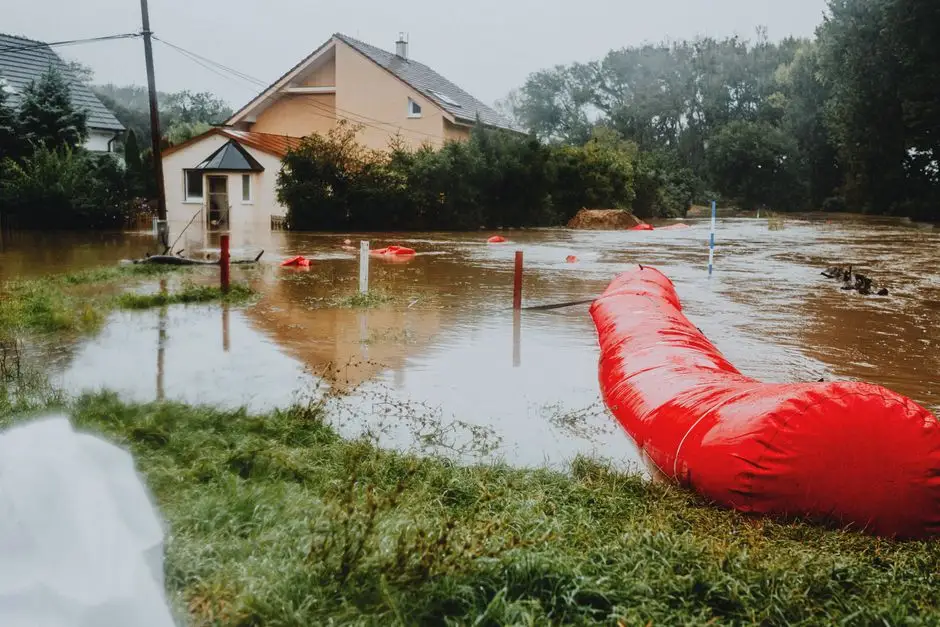
Snowmelt Water Removal in Alaska is the process of pumping, extracting, and drying standing water that enters a building when melting snow overwhelms soil, foundation drains, and sump systems. It is not a shop vac job. We use a truck-mounted extraction unit to pull hundreds of gallons fast, then a submersible sump pump and portable water pump for the deep stuff, and finally air movers and dehumidifiers to dry the structure down to a verified moisture reading.
Alaska snowmelt water removal matters because our thaw is brutal and unpredictable. A 40-degree week in April can dump more water on a neighborhood than a summer storm, and the ground is still frozen two feet down, so it has nowhere to go. We see snowmelt basement flooding in Wasilla, crawl space standing water in North Lakes, and garage flooding in Nikiski after almost every warm spell. If you're searching for how to remove snowmelt water from Alaska homes, the honest answer is to call before the water sits more than 24 hours.
Every snowmelt water removal job includes the full process from emergency response through final moisture verification. We don't hand you a pump and leave. Here's what's covered, and what we treat as an add-on if your situation calls for it.
We answer the phone around the clock and dispatch the nearest available crew. During peak thaw season we stage equipment in multiple locations so response times stay short, even for calls from outlying areas.
Truck-mounted extraction unit, submersible sump pump, portable water pump, and water extraction wand. We remove standing water and extract what's trapped in carpet, pad, and flooring. Most residential jobs take two to four hours of active extraction.
Dri-Eaz and Phoenix Restoration Equipment dehumidifiers, XPower air movers, and floor drying mats for hardwood. Equipment runs 24 to 72 hours. We monitor with a moisture meter and thermal imaging camera daily and adjust placement.
We apply antimicrobial solution to affected surfaces after extraction to stop mold and bacteria growth. This is standard on every job, not an upgrade. It's especially important in crawl spaces where airflow is limited.
Photos, moisture readings, and a written summary formatted for your adjuster. We hold an Alaska Division of Insurance adjuster license, so we know what your claim needs. You get a copy, and we can send one directly to your carrier.
Before we leave, we walk the property with you and point out what caused the problem and what to fix. That might be a clogged foundation drain, a failed sump pump, or a missing vapor barrier. It's how you avoid a repeat next spring.
You call (833) 640-1438 and describe what's wet. We ask about the source, the square footage, and whether the water is clean or contaminated. Within minutes we dispatch the nearest crew with a truck-mounted extraction unit and a portable water pump.
On arrival we walk the space with a moisture meter and thermal imaging camera to find every wet pocket, including behind walls and under flooring. We identify the source, whether that's a frozen pipe burst, sump pump failure, or hydrostatic pressure seepage, and confirm the plan with you.
We run the truck-mounted extraction unit and water extraction wand across carpet, hardwood, and concrete. For deep standing water we drop a submersible sump pump first. Most residential jobs take two to four hours of active extraction.
We set Dri-Eaz and Phoenix Restoration Equipment dehumidifiers and air movers, plus floor drying mats for hardwood. Equipment runs 24 to 72 hours depending on materials. We return daily to check moisture readings and adjust.
We take final moisture meter readings, confirm the structure is back to a normal range, and remove our equipment. You get a written report with before-and-after readings and photos for your insurance claim. We also walk you through prevention steps.
You call (833) 640-1438 and describe what's wet. We ask about the source, the square footage, and whether the water is clean or contaminated. Within minutes we dispatch the nearest crew with a truck-mounted extraction unit and a portable water pump.
Pulls hundreds of gallons of water per hour from carpet, pad, and hard surfaces. This is the workhorse on every job and the reason we can dry a basement in hours instead of days.
Drops into standing water to pump it out fast. We use Little Giant and Wayne pumps for deep water in basements, crawl spaces, and garages before we run extraction equipment.
Remove moisture from the air so wet materials can dry. We size the unit to the cubic footage of the space and run it until moisture meter readings return to normal.
High-velocity fans that push air across wet surfaces to speed evaporation. We position them to create a circular airflow pattern that dries walls, floors, and contents evenly.
Reveals hidden moisture behind walls and under floors without cutting into the structure. It's how we find water you can't see and make sure we don't miss anything.
Gives us a numeric reading of moisture content in drywall, wood, and concrete. We use it at every visit to track drying progress and confirm when the structure is actually dry.

A 1,100-square-foot finished basement in Wasilla took on three inches of water when the April thaw overwhelmed the foundation drain. Carpet, pad, and the bottom two feet of drywall were saturated. The homeowner called us at 6 a.m.
After: We extracted 180 gallons in the first two hours, removed the wet carpet and pad, and set 6 air movers and 2 dehumidifiers. By day three, moisture meter readings were back to normal. The homeowner's insurance covered the drywall repair.
Book this service →
A crawl space in Nikiski had four inches of standing water after a rain-on-snow event. The homeowner noticed a musty smell but couldn't see the water. A thermal imaging camera found the source: a failed vapor barrier and a clogged foundation drain.
After: We pumped the water out with a portable water pump, extracted the rest with an industrial wet vacuum, and applied antimicrobial solution. After 48 hours of drying, moisture readings were normal and the smell was gone.
Book this service →
A frozen pipe burst in a Fairbanks garage during a January thaw. Water ran under the slab and soaked the bottom of stored boxes and a workbench. The homeowner called at 11 p.m. and a technician answered.
After: We arrived by 7 a.m. the next morning, extracted the standing water, and used floor drying mats and air movers to dry the concrete. By day two, the slab was dry and no mold had developed.
Book this service →Snowmelt finds every weak point in a building. These are the five problems we get called for most often during thaw season, and what happens if they're ignored.
Ask a pro →We pump and extract the water, dry the basement with dehumidifiers and air movers, and treat surfaces with antimicrobial solution. We also check your foundation drain and sump pump so you know what to fix.
We remove the water with a portable water pump and industrial wet vacuum, then dry the space with equipment sized for tight access. We inspect your vapor barrier and recommend repairs if it's failed.
We extract the water, dry the space, and test your sump pump and discharge hose. If the pump is undersized or failing, we tell you what to replace and how to size it correctly for your water volume.
We remove the water, dry the affected ceilings and walls, and document the damage for insurance. We also identify where the ice dam formed so you can address attic insulation and ventilation.
“Our crawl space flooded during the April thaw and I had no idea who to call. AK Water Remover Pros had a crew out the same afternoon. They pumped it out, set up dehumidifiers, and came back three days in a row to check moisture. The report they gave me for insurance was thorough. Worth every penny.”
Dana R.Homeowner, Wasilla
✓ Verified“I manage six rental units and snowmelt is my nightmare every spring. These guys have handled three basement floods for me in the last two years. They're fast, they document everything, and they don't try to upsell. The moisture meter readings they leave behind are what my adjuster wants to see.”
Marcus T.Property Manager, Fairbanks
✓ Verified“A frozen pipe burst in our garage in February and water ran under the slab. I called at 11 p.m. and a technician actually answered. They were out by 7 the next morning with a truck-mounted extractor. Took two days to dry completely. No mold, no smell, no drama.”
Karla S.Homeowner, Nikiski
✓ VerifiedMost residential snowmelt water removal jobs in Alaska run $350 to $1,800 in 2026, depending on square footage, water depth, and how many days drying equipment is needed. A small crawl space might be $350 to $600. A finished basement with carpet and drywall typically runs $900 to $1,800. We quote a range before we start and don't add charges without talking to you first.
AK Water Remover Pros removes snowmelt water in Alaska statewide, from Bethel to Skagway. We're IICRC WRT and ASD certified, licensed, insured, and we've been doing this since 2010. We handle everything from a wet garage in Nikiski to a flooded crawl space in North Lakes, and we work directly with your insurance adjuster.
Yes. Basement snowmelt flooding is our most common spring call. We pump standing water with a submersible sump pump, extract what's left with a truck-mounted unit, then dry the space with dehumidifiers and air movers. Most basements are dry to the touch within 24 hours, and full structural drying takes two to three days.
Snowmelt flooding in Alaska peaks from late March through May, when daytime temperatures climb above freezing but the ground is still frozen 18 to 36 inches down. Water can't soak in, so it runs along the surface and into foundations. We also see secondary events in January during mid-winter thaws, especially in Southcentral and Southeast Alaska.
We provide snowmelt water extraction Alaska-wide, from the Matanuska-Susitna Borough to the Interior, the Kenai Peninsula, and Southeast. Our crews are positioned to reach most communities the same day during thaw season. Whether you're in a city or a remote village, we bring the same equipment and the same process.
North Lakes homes on glacial till see snowmelt basement flooding every spring. We stage equipment in the Valley during peak thaw so we can respond fast.
↗ 02 BethelBethel's permafrost limits drainage, so snowmelt pools and can't soak in. We handle crawl space and basement water removal for homes and commercial buildings.
↗ 03 NikiskiNikiski gets rain-on-snow events that overwhelm foundation drains. We extract water from crawl spaces and basements and dry the structure before mold sets in.
↗ 04 Eielson AFBEielson AFB housing deals with Interior Alaska's deeper frost and later thaw. We provide snowmelt water removal for military families and base facilities.
↗ 05 WrangellWrangell's Southeast Alaska climate means rain-on-snow and storm water intrusion. We remove snowmelt water from homes and businesses and document for insurance.
↗ 06 TokTok's remote location and cold winters mean frozen pipes and snowmelt flooding. We travel to Tok with full equipment for extraction and structural drying.
↗ 07 SkagwaySkagway's steep terrain and heavy snowpack create fast meltwater runoff. We handle emergency snowmelt water removal for homes and commercial properties.
↗ 08 Mountain VillageMountain Village's permafrost and limited drainage make snowmelt a serious problem. We provide crawl space and basement water removal for this remote community.
↗ 09 Denali ParkDenali Park's late thaw and heavy snowpack mean snowmelt water removal calls run into May. We serve homes, lodges, and commercial buildings in the area.
↗ 10 Fox RiverFox River's remote setting and cold climate create frozen pipe and snowmelt risks. We bring full extraction and drying equipment to handle any water emergency.
↗Water sitting in your basement or crawl space gets worse every hour. We answer 24/7, we're IICRC certified, and we've been doing this in Alaska since 2010. Call now and we'll dispatch the nearest crew.
Call Now (833) 640-1438 →Our phone line is open 24/7, and a real person answers. Tell us what happened and where you are, and we will dispatch a crew with the right gear. Most road-system calls in Anchorage, the Mat-Su Valley, and Fairbanks get a same-day response. For bush communities, we schedule as fast as transport allows.