Emergency Water Extraction
Truck-mounted extraction for carpet and hard floors, a water extraction wand for corners and cabinet bases, and a submersible sump pump for crawl spaces. We pull standing water before we set any drying equipment.
When a line freezes and splits at 2 a.m. in January, Frozen Pipe Water Removal in Alaska is the call that stops the damage from spreading. Our crews thaw the line, extract the standing water, and dry the structure before mold sets in. We run truck-mounted extraction units and thermal imaging cameras across the state, from Southeast to the North Slope, and we answer the phone 24/7.
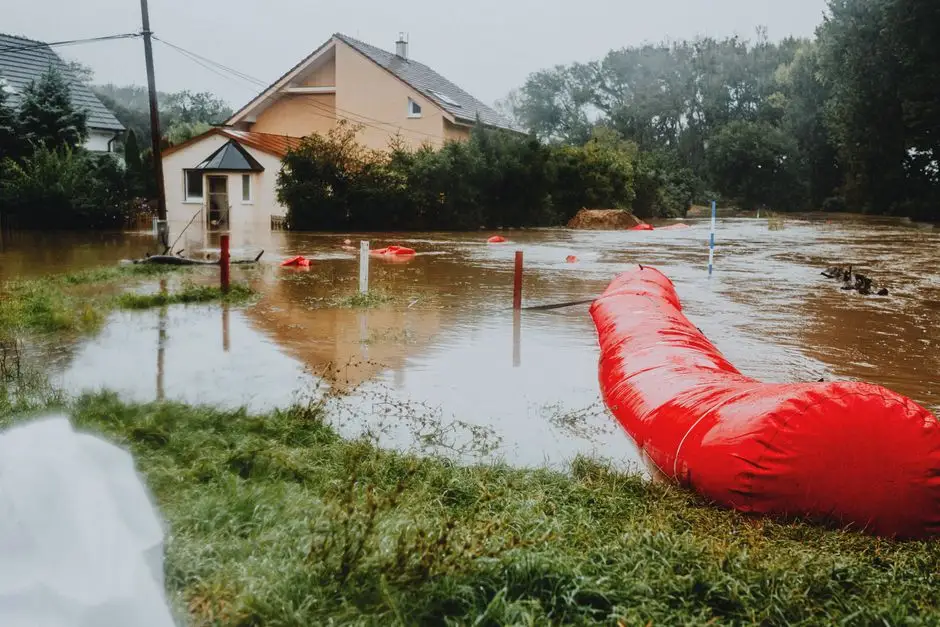
Frozen Pipe Water Removal in Alaska is the process of thawing a frozen line, stopping the water it releases, extracting that water from floors, walls, and crawl spaces, and drying the structure to pre-loss moisture levels. It is not a shop vac job. A 1/2-inch PEX line holds roughly a gallon per 50 feet, and a split copper pipe can dump 4 to 8 gallons per minute until someone shuts the main. We locate the break with a thermal imaging camera, isolate it, and start extraction with a truck-mounted unit while a second tech sets air movers and a dehumidifier.
Most Alaska homes are built for cold, but not for the freeze-thaw cycle that hits in November and again in April. Pipes in exterior walls, unheated crawl spaces, and garages are the first to go. When a homeowner calls us for winter pipe water removal Alaska-wide, we hear the same story: heat tape failed, the wood stove went out overnight, or a snowmelt basement flooding event pushed water against a foundation drain that was already clogged with ice. We handle all of it, including burst frozen pipe water removal Alaska property owners need before the adjuster arrives.
Every job starts with a walk-through and a firm scope. The items below are standard on a frozen pipe call. If your situation needs something beyond this, we tell you before we start, not after.
Truck-mounted extraction for carpet and hard floors, a water extraction wand for corners and cabinet bases, and a submersible sump pump for crawl spaces. We pull standing water before we set any drying equipment.
We thaw frozen sections with controlled heat matched to the pipe material. PEX, copper, and galvanized each get different handling. We pressure-test after the thaw so a hidden split does not surprise you two days later.
Air movers positioned to move air across wet surfaces, a dehumidifier sized to the cubic footage, and floor drying mats for hardwood. We check the vapor barrier in crawl spaces and reset it if the freeze event disturbed it.
A moisture meter and thermal imaging camera map the wet zone on day one. We log readings daily until the structure hits dry standard. That log is your proof for the insurance claim and your record for the next owner.
Any area that sat wet for more than 24 hours gets an antimicrobial solution applied after extraction. It is cheap insurance against the mold that shows up three weeks after a freeze event nobody dried properly.
You reach a live person, not a call center. We ask where the water is, whether the main is shut off, and what kind of pipe failed. That tells us whether to send a two-tech crew or a full extraction truck. We give you the price range before we roll.
On arrival we shut the supply if you have not, then walk the structure with a thermal imaging camera to find the frozen section and any hidden release. A moisture meter maps how far the water traveled. This takes 15 to 30 minutes on a typical home.
We thaw with controlled heat, never an open torch. PEX and copper need different handling, and a torch on PEX is how a small repair becomes a full repipe. Once flow returns, we pressure-test the section before we move on.
A truck-mounted extraction unit pulls standing water from carpet, hardwood, and subfloor. We follow with a water extraction wand in tight corners and a wet/dry shop vacuum for cabinets and closets. A submersible sump pump handles crawl space standing water.
We set air movers and a dehumidifier, take moisture readings, and leave a log. Most structures dry in 3 to 5 days. We return to pull equipment and give you a final report you can hand to your adjuster.
You reach a live person, not a call center. We ask where the water is, whether the main is shut off, and what kind of pipe failed. That tells us whether to send a two-tech crew or a full extraction truck. We give you the price range before we roll.
Pulls hundreds of gallons fast from carpet, hardwood, and subfloor. This is the first piece of equipment on site for any job with standing water.
Finds the frozen section and hidden wet zones behind walls and under floors without demolition. It tells us where to open and where to leave alone.
Reads moisture content in framing, drywall, and subfloor. We log readings daily to prove the structure hit dry standard, not just dry to the touch.
Pull moisture out of the air so wet materials can release it. Sized to the cubic footage of the affected space, not a one-size-fits-all unit.
Move air across wet surfaces to speed evaporation. Positioned to create a drying vortex in each room, not just pointed at the floor.
Detail extraction in cabinets, closets, and tight corners where the truck mount cannot reach. Also used for final pass on hard floors.
A copper supply line split behind the kitchen wall during a January cold snap. Water ran under the cabinet and soaked 200 square feet of hardwood before the homeowner noticed. The wall cavity was wet 18 inches up from the floor.
After: We opened a 3-foot section of drywall, extracted 12 gallons from the subfloor, and ran floor drying mats on the hardwood for four days. Final moisture readings matched the dry standard on day five.
Book this service →
A frozen line in a Wasilla crawl space thawed and released roughly 40 gallons onto the vapor barrier. The floor above felt spongy and the joists read 28 percent moisture content.
After: We pumped the crawl space with a submersible sump pump, reset the vapor barrier, and ran a dehumidifier for five days. Joist readings dropped to 12 percent, within dry standard.
Book this service →
An unheated garage line froze and split, sending water under the shared wall into a finished bonus room. Carpet was saturated across 150 square feet and the baseplate was wet.
After: We extracted the carpet, pulled the pad, and dried the subfloor and baseplate in three days. The shared wall was verified dry with a moisture meter before we closed it up.
Book this service →A frozen pipe is rarely just a frozen pipe. It is the start of a chain that runs from water damage to mold to a denied claim. Here is what we stop.
Ask a pro →We use a thermal imaging camera to find the wet zone without tearing out the whole wall. We open only what needs opening, extract, dry the cavity, and document the scope so your adjuster sees exactly what happened.
We pump the crawl space with a submersible sump pump, run a portable water pump for larger volume, reset the vapor barrier, and run a dehumidifier until the joists read dry. Typical crawl space dry-out runs 4 to 6 days.
We extract the standing water, check the sump pump discharge hose for ice blockage, and dry the basement slab and framing. If the pump is dead, we tell you what size replacement fits the pit.
We trace the intrusion with a moisture meter, extract water from the ceiling assembly, and dry it in place where possible. We document the ice dam location so your roofer and adjuster have the full picture.
“Our crawl space line froze during a cold snap and we did not know it until the floor felt spongy. The crew thawed the line, pumped about 40 gallons out of the crawl space, and set a dehumidifier for four days. They logged readings every day and sent the report straight to our adjuster. No arguing over the claim.”
Dana R.Homeowner, Juneau
✓ Verified“We manage several units and freeze events are a fact of life up here. These guys flew in, handled two burst lines in one building, and had extraction and drying running the same day. The moisture log was clean enough that the insurance company approved the whole scope without a second visit.”
Marcus T.Property Manager, Nome
✓ Verified“A pipe split behind our kitchen wall at 1 a.m. I called and a real person answered. They talked me through shutting the main, then had a tech out that morning. Thawed the line, opened the wall, dried it out in four days. The invoice matched the range they quoted on the phone.”
Sarah K.Homeowner, Fritz Creek
✓ VerifiedMost residential jobs run $1,200 to $4,500 in 2026, depending on how much water released and how far it traveled. A single-room extraction with two days of drying sits near the low end. A crawl space full of standing water plus a burst line behind a finished wall pushes toward the high end. We give you a range before we dispatch.
You want one crew that does both, or you end up paying two call-out fees and waiting on a schedule. We thaw the line, extract the water, and dry the structure. If the pipe needs a permanent repair, we handle that too, so you are not coordinating a plumber and a restoration company on the same day.
Yes, but the order matters. You cannot extract water that is still locked in ice, so we thaw first, then extract. Trying to pull water from a frozen line with a shop vacuum just burns out the motor. We thaw with controlled heat, confirm flow, then run extraction. Typical thaw time is 30 to 90 minutes depending on pipe material and access.
Four reasons cover most calls: pipes run through unheated crawl spaces or garages, heat tape or insulation failed, the heat source went out during a cold snap, and exterior wall cavities get no warm air circulation. At -20 F, a poorly insulated exterior wall line can freeze in under six hours. PEX flexes and often survives; copper splits at the fitting.
Frozen pipe water extraction Alaska-wide means covering communities the road system does not reach. We stage crews and equipment in the Mat-Su and coordinate travel to Southeast, Interior, and Northwest communities. Whether you are in a downtown Juneau condo or a Noatak home on a utilidor system, the process is the same: thaw, extract, dry, document.
Wet snow and rain-on-snow events drive water into basements and crawl spaces. We handle extraction, drying, and foundation drain checks for Juneau homes and commercial buildings.
↗ 02 KetchikanHeavy precipitation and older housing stock mean copper supply lines split at fittings. We thaw, extract, and dry, and we document the loss for your adjuster.
↗ 03 FishhookRural Mat-Su properties often have unheated crawl spaces and long exterior wall runs. We prioritize these calls during cold snaps and run drying equipment until joists read dry.
↗ 04 NomeUtilidor-fed systems and fewer local contractors make response logistics critical. We coordinate travel and equipment ahead so extraction and drying start as fast as possible.
↗ 05 Fritz CreekHomes on the Kenai Peninsula face deep cold and snowmelt cycles. We handle burst line extraction, crawl space pumping, and structural drying for Fritz Creek properties.
↗ 06 HainesCold snaps and heavy snow load drive freeze events in Haines. We thaw lines, extract water, and dry structures, with documentation ready for insurance claims.
↗ 07 Diamond RidgeElevated terrain and wind exposure make Diamond Ridge homes vulnerable to exterior wall freezes. We locate the split with thermal imaging and dry the cavity without full demolition.
↗ 08 KwethlukOff-road-system response requires coordination with local caretakers and travel logistics. We arrange equipment transport and handle extraction and drying on arrival.
↗ 09 HoonahSoutheast weather patterns and older homes mean freeze events hit supply lines and crawl spaces. We pump, thaw, and dry, and we leave a moisture log for the property owner.
↗ 10 NoatakNorthwest Alaska cold and utilidor systems create specific freeze risks. We coordinate travel and equipment, then handle thawing, extraction, and drying on site.
↗Water is running, the floor is soaked, and you need a crew, not a voicemail. We answer 24/7, give you a price range on the phone, and roll with the equipment already loaded. Call now and we will walk you through shutting the main while we head your way.
Call Now (833) 640-1438 →Our phone line is open 24/7, and a real person answers. Tell us what happened and where you are, and we will dispatch a crew with the right gear. Most road-system calls in Anchorage, the Mat-Su Valley, and Fairbanks get a same-day response. For bush communities, we schedule as fast as transport allows.