What's includedWhat Our Crawl Space Water Removal Includes
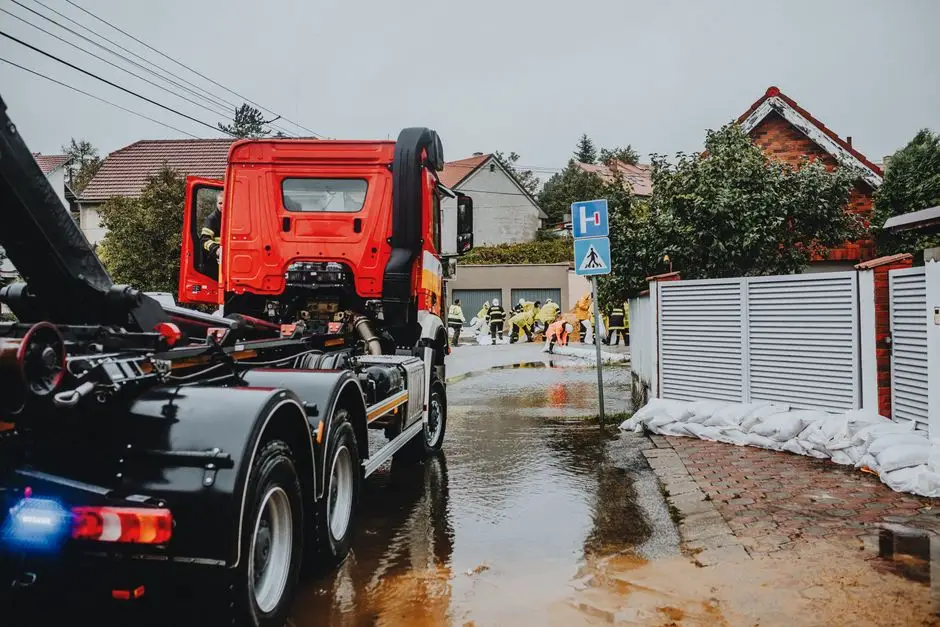
Every crawl space water extraction Alaska job we run includes pumping, extraction, drying, moisture monitoring, and documentation. If the source turns out to be a plumbing failure, we flag it for your plumber. If the vapor barrier is torn or missing, we tell you what it will take to replace it. You get a written summary at the end.
01✓
Bulk Water Pumping
We use a submersible sump pump or Little Giant portable water pump to pull standing water out fast. A 4-inch-deep crawl space under a 1,200-square-foot home usually clears in two to four hours. Discharge is routed away from the foundation so it does not seep back in.
02✓
Soil and Vapor Barrier Extraction
Once the bulk water is gone, a truck-mounted extraction unit and water extraction wand pull water from saturated soil and the vapor barrier. This is the step most homeowners miss when they rent a pump. Without it, the space stays damp and mold comes back.
03✓
Structural Drying Setup
We set Dri-Eaz or Phoenix Restoration Equipment dehumidifiers and XPower air movers under the floor. Floor drying mats go down where subfloor is saturated. We check moisture readings every 24 hours and adjust equipment until framing reads dry, usually three to five days.
04✓
Antimicrobial Treatment
Standing water in a closed crawl space grows mold in 24 to 48 hours. We apply antimicrobial solution to joists, subfloor, and vapor barrier. If we find active mold, we tell you and quote the remediation separately so you can decide.
05✓
Moisture Verification
We use a moisture meter and thermal imaging camera to confirm the space is dry before we pull equipment. You get a final walkthrough with the readings, plus photos of the dry space. That documentation is what your insurance adjuster wants to see.
06✓
Written Summary and Recommendations
You get a written summary of what we found, what we did, and what we recommend next. Common recommendations: replace a failed sump pump, clear a foundation drain clog, install or repair a vapor barrier, or insulate exposed PEX piping before the next cold snap.